
The Everyday Essentials You Almost Certainly Forget to Wash: How Overlooked Household Objects Silently Harbour Millions of Microbes

The most contaminated items inside the modern home are rarely the obvious surfaces people scrub every weekend, but rather the trusted daily essentials that slip past the laundry basket for months at a time. From reusable water bottles to decorative throws and pillow inserts, dozens of familiar belongings quietly accumulate dead skin cells, moisture, and microbial colonies.
While visible grime usually triggers an immediate clean, invisible organic buildup presents a far more stubborn challenge for standard domestic routines. Breaking this cycle requires identifying where basic cleanliness habits fall short and understanding why certain household fabrics demand far more frequent intervention.
The Hidden Germ Reservoirs Hiding in Plain Sight
Most cleaning schedules focus heavily on worktops, bathroom tiles, and primary clothing layers. However, secondary textiles and everyday accessories regularly escape sanitisation entirely.
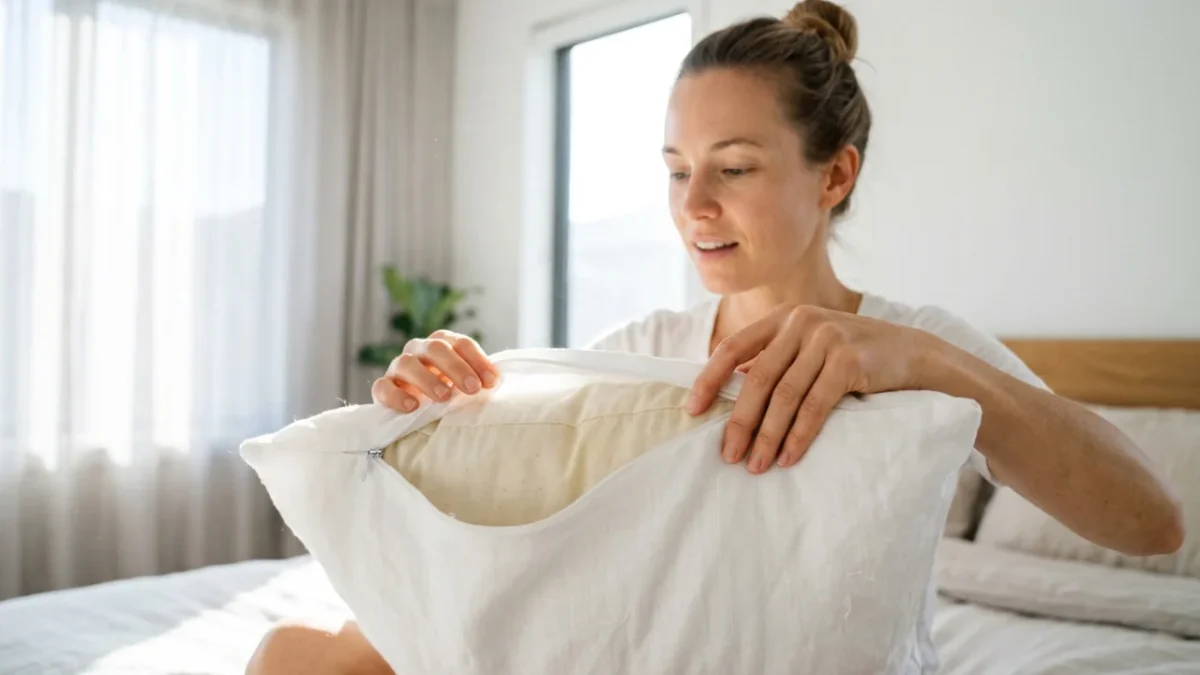
Consider the standard bed pillow. While fresh pillowcases are rotated regularly, the actual inner core often remains unwashed for years, absorbing perspiration and natural oils night after night.
A similar blind spot surrounds reusable water bottles. Because these containers hold pure drinking water, users frequently assume a brief rinse is sufficient, ignoring the moist seals where microscopic biofilm thrives.
The Everyday Culprits Escaping the Washing Machine
A surprising variety of domestic items accumulate debris without showing obvious signs of dirt. Evaluating your personal household hygiene routine reveals several high-contact offenders that warrant regular washing:
- Pillow inserts and duvet inners: While external slips get washed weekly, the core padding requires a thorough hot wash at least twice a year to eliminate dust mites and accumulated moisture.
- Reusable drinks vessels and silicone straws: The rubber gaskets and mouthpiece crevices collect yeast and mould spores if not disassembled and scrubbed with hot soapy water after every use.
- Tea towels and kitchen sponges: Hanging moist towels near food preparation zones turns them into rapid breeding grounds for cross-contamination unless laundered on a hot cycle every few days.
- Winter coats, scarves, and gloves: Cold-weather outerwear traps facial oils and public transit residue across entire seasons without ever seeing a wash basin.
- Bath mats and fabric shower liners: Persistent bathroom humidity keeps these heavy textiles damp, creating ideal conditions for stubborn mildew growth.
Why Infrequent Laundering Creates Biological Hazards
When items remain unwashed, moisture and body warmth interact to create stable environments for microscopic growth. Fabric fibres trap sebaceous secretions, providing continuous nourishment for common strains of skin bacteria and fungal spores.
For individuals prone to seasonal allergies, asthma, or contact dermatitis, unwashed household textiles serve as chronic irritants. Inhaling airborne dust mite waste from an aged pillow or handling contaminated dish towels can provoke sudden respiratory and dermal flare-ups.
Proper decontamination relies on heat and adequate drying rather than heavy detergent alone. Washing durable textiles at 60 degrees Celsius effectively neutralises dust mites and dissolves trapped sebum, while ensuring items dry completely prevents opportunistic mould from recolonising the weave.
Establishing a Practical Schedule for Overlooked Items
Overhauling your laundry habits does not require running continuous washing machine cycles every afternoon. The secret lies in batching seasonal items and treating high-touch damp accessories as priority washing loads.
Set automated calendar reminders for larger bedding inners and window dressings to prevent them from slipping into multi-year neglect. Meanwhile, kitchen dishcloths and gym gear should move directly into a dedicated sanitising wash before damp odours develop.
By bringing regular scrutiny to secondary fabrics and daily hydration accessories, you protect your living space from persistent biological buildup and maintain an exceptionally clean home environment.
💡 A simple calendar audit can transform how effectively you maintain your living space.
🔍 Identifying the textiles you neglect most often makes it easy to stop microbial buildup before it starts.
📌 Small, consistent adjustments to your routine ensure long-term peace of mind.
👇 Which everyday item in your home has gone the longest without a proper wash? Share your experiences and practical tips in the comments below.
Prefer this source in Google
What to read next

Nearly One Million Egg-Laying Chickens Culled at Massive Commercial Facility as Highly Contagious Avian Influenza Hits Major US Producer
Nearly one million egg-laying chickens have been slaughtered at the second-largest egg-producing farm in the United States after an aggressive wave of…

The October 2026 Hunter’s Moon in Taurus Arrives With a Rare Volatile T-Square and Double Retrograde: Why Your Relationships and Finances Face an Urgent Breaking Point
The intense astrology full moon effects peaking this week stem from the arrival of the Hunter’s Moon in Taurus on 26 October,…

In 1933, Amelia Earhart Secretly Rewrote the Rules of Modern Fashion by Creating Functional Aviator Separates to Fund Her Dangerous Ambitions
In the autumn of 1933, record-breaking pilot Amelia Earhart walked onto the sales floor of Macy’s in New York City not to…

Why Millions Of Supplemental Security Income Recipients Will See Their November Money Arrive Days Ahead Of Schedule
Millions of vulnerable Americans relying on Supplemental Security Income will receive their monthly allocation early, with funds arriving directly into bank accounts…
 1
 2
 3
 4