
Jeff Bezos Handed Eva Longoria $50 Million to Give Away: Why She Insists You Don’t Need Billions to Make a Real Impact

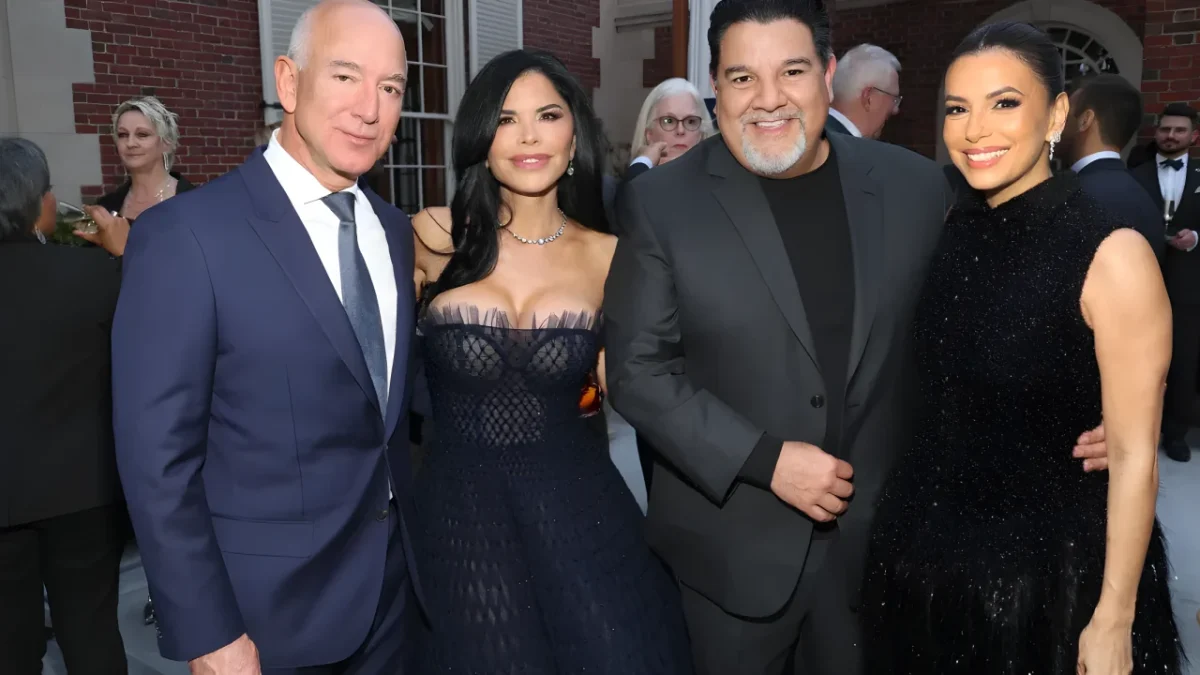
When Amazon founder Jeff Bezos handed actress and entrepreneur Eva Longoria a massive $50 million grant to direct toward charitable causes, it placed her at the helm of one of the largest personal philanthropic windfalls in Hollywood history. Yet after deploying that capital, her core takeaway is the exact opposite of what most people expect.
Longoria argues that the single biggest myth in America today is that effective change requires massive wealth or institutional scale. True impact, she explains, is defined by how people show up in their communities every single day.
Her perspective directly challenges an era where massive mega-donations dominate national headlines, often convincing everyday citizens that solving local problems is strictly a billionaire’s responsibility.
“One of the biggest misconceptions about philanthropy is that impact is tied to wealth or scale, when in reality, impact comes in many forms. What I’ve learned is that impact doesn’t come from how much money you have, it comes from how you show up.”
Where the Bezos Millions Actually Went
The eight-figure award came courtesy of the Courage and Civility Award, established in 2021 by Jeff Bezos and his wife, Lauren Sánchez Bezos. The honor distributes $100 million split between select leaders to fund systemic solutions to pressing social issues.
Alongside Longoria, retired Navy Admiral Bill McRaven—the military commander who oversaw the 2011 raid that killed al-Qaeda leader Osama bin Laden—received the other $50 million share. Past recipients include CNN commentator Van Jones, chef José Andrés, and country music icon Dolly Parton, who directed funds toward Moderna’s COVID-19 vaccine research.
Longoria channeled her portion directly into grassroots initiatives she has championed for over a decade. Her primary focus remains expanding educational pathways and capital access for underrepresented groups across the country.
Targeted Capital and Strategic Giving
Rather than dispersing funds randomly, Longoria integrated the award into established programs she has built while managing an estimated personal net worth north of $80 million from business ventures like Casa Del Sol tequila, Hyphenate Media Group, and an ownership stake in the Angel City FC soccer club.
- The Eva Longoria Foundation: Established in 2012, this organization expands STEM education, mentorship networks, and entrepreneurial loans for Latinas in the United States.
- Eva’s Heroes: A dedicated charity focused on enriching the lives of teens and young adults with intellectual special needs through community integration programs.
- Small Business Mentorship: Direct operational and technical guidance initiatives, including small-business advisory efforts in partnership with Lenovo.
McRaven, by contrast, directed his $50 million toward leadership education programs for military families, academic support for children of fallen service members, and targeted mental health resources for active-duty personnel and veterans.
Busting the “Billionaire Philanthropy” Illusion
Public focus frequently gravitates toward massive wealth pledges, but actual delivery often tells a vastly different story. A prominent example is the Giving Pledge, launched in 2010 by Bill Gates, Melinda French Gates, and Warren Buffett, asking ultrawealthy signatories to commit at least 50% of their assets to charitable causes.
While more than 250 billionaires signed the pledge, fewer than 10 have fulfilled their commitments during their lifetimes, with the vast majority leaving instructions to transfer assets only after death.
This dynamic creates a harmful bystander effect: everyday Americans wait on the sidelines expecting mega-donors to step in, while local community programs face severe resource deficits.
| Philanthropic Model | Primary Bottleneck |
|---|---|
| Billionaire Giving Pledges | Delayed capital distribution, often deferred until posthumous execution. |
| Grassroots Community Action | Overlooked local volunteer shortages despite immediate, on-the-ground impact. |
“Everybody can chip in—and it doesn’t even have to be money. Like, do something. Even if you’re like, I have one hour a week to solve this problem in my community that I care about… Figure out how to do that. Most local nonprofits need help.”
Liz Baker, CEO of Greater Good Charities—a nonprofit that has directed more than $1 billion in global aid across 121 countries since 2006—reiterates that community resilience relies far more on local participation than corporate checks.
3 Practical Ways to Create Real Impact Without Spending Money
Transforming a community does not demand high-net-worth investments. Longoria and community organizers emphasize three accessible steps anyone can take right now:
- Offer Professional Mentorship: Share career insights, resume review, or vocational skills with young workers or local founders who lack access to established professional networks.
- Dedicate One Protected Hour Weekly: Local food pantries, after-school reading clubs, and community clinics run primarily on active volunteer hours rather than cash reserves.
- Amplify and Patronize Local Small Businesses: Use social media reach, word-of-mouth recommendations, and neighborhood networks to support independent local entrepreneurs.
💬 Extreme wealth can open doors, but personal involvement builds the community foundation.
✨ Real progress begins at the street level, driven by everyday people who simply choose to show up.
📱 What is one issue in your neighborhood that could benefit from an hour of your time this week? Drop your thoughts in the comments below!
 1
 2
 3
 4
